
Website localisation and international SEO
We adapt websites for the markets and languages your business needs, coordinating content, SEO and technical implementation with your local team, head office or existing agency.
A first conversation in English to understand your website, markets and priorities.
Local websites for subsidiaries, distributors and new markets
A local presence within an international group
Your head office may provide the website, brand guidelines and product information. Your local team needs to explain the offer to its customers and generate enquiries that reach the right people.
We help subsidiaries and distributors adapt that web presence: the pages customers need, Catalan and Spanish content, local search research and the route from a product page to an enquiry. The work is coordinated with the people responsible for the international website.
Reaching customers in Catalonia and Spain
An international company may need a new local version, additional content within its existing website or a review of a version that is already published.
We assess what customers need to understand, how they search and which parts of the website need adapting. The starting point can be a focused set of pages for a product range, a service or a distributor network.
Developing other markets
Our internationalisation work began in 2010, when an existing client started exporting. We researched markets and adapted its website to the business’s needs, then extended this work to other clients.
We support businesses preparing for trade fairs, developing export sales or building relationships with buyers and distributors abroad.
That can involve adding a language, adapting product information or reviewing existing versions that attract little relevant traffic or few enquiries. We plan the work around the markets the business wants to develop.
How translation, localisation and SEO work together
Professional translation takes care of meaning, terminology, tone and linguistic consistency. Website localisation connects that language work with the content, structure and commercial requirements of each market.
Internationalisation prepares the website to support those versions over time. SEO adds research into search demand and the technical work needed to make each version accessible to search engines.
| Area | Translation and linguistic review | Website localisation and international SEO |
|---|---|---|
| Content | Accurate meaning, terminology and tone | Deciding which pages and information each audience needs |
| Search | Appropriate language and terminology | Researching search terms, intent and competing pages in each market |
| Navigation | Clear labels and instructions | Organising the route to products, services and contact |
| Forms | Natural labels, messages and instructions | Adapting fields, formats and the handling of enquiries |
| Technical structure | Translated content prepared for publication | Planning URLs, language relationships, internal links and technical SEO |
The scope depends on the website and the business. We can coordinate the language work with your translators or include translation and review within the project.
What the work includes
Market and search research
We research how potential customers search, which competitors appear and what information their websites provide. Your product, sales channels and commercial knowledge help us interpret that demand.
The research helps decide which market, language version and pages to prioritise. If a wider market assessment is needed, we define it as a specific part of the project.
Content adapted to the audience
We review the way products and services are explained, the terminology used and the information customers need before making contact.
For an industrial supplier, that may include specifications, applications, technical documents and distribution arrangements. A professional services business may need to explain expertise, scope and how the work is delivered.
Units, references, examples and calls to action are adapted where the audience requires it.
Products
Services
Contact
International SEO and multilingual architecture
We plan which pages should exist in each version, how URLs and internal links are organised, and how language or regional alternatives relate to one another, including hreflang.
We also review headings, metadata, indexability and the pages that already have search visibility. If URLs need to change, we plan the redirects and update the relevant links.
Clear content and structure support this work across conventional search and AI-assisted search.
Explore our SEO services →Implementation within the existing website
We review the CMS, language tools and technical requirements before defining the implementation.
Your current agency or development team can remain responsible for the platform. We can prepare content and implementation requirements, coordinate the changes or carry out the agreed development work.
Where a separate local website or a wider redesign is appropriate, we plan how it will fit into the group’s web presence.
Web design and development →Forms, enquiries and ongoing updates
A local version needs a clear route to the right contact. We review forms, confirmation messages and how enquiries reach the relevant team.
We also agree how product changes, new services and content updates will be reflected across languages. Responsibilities for editing, review and maintenance are defined as part of the project.
Working with your agency and head office
You may already have an international marketing team, a web agency or a translation provider. We can contribute local expertise and take responsibility for an agreed part of the work.
For example, your global agency can continue managing the website while we research Catalan and Spanish search demand, prepare local content and coordinate its implementation. A local subsidiary can also bring us in to develop its website within the group’s brand and technical guidelines.
We agree who prepares content, who approves it, who implements changes and how progress is shared. Communication can take place in English with the international team and in Catalan or Spanish with the local business.
If your agency has clients in Catalonia or Spain, we can provide local web development, content and SEO support. Your agency can remain the main point of contact with the client, with roles and communication agreed from the start.
Our experience includes projects for an Italian building products manufacturer and a British precision instruments manufacturer, as well as subsidiaries and distributors of international groups. Some of this work was delivered in collaboration with other agencies.
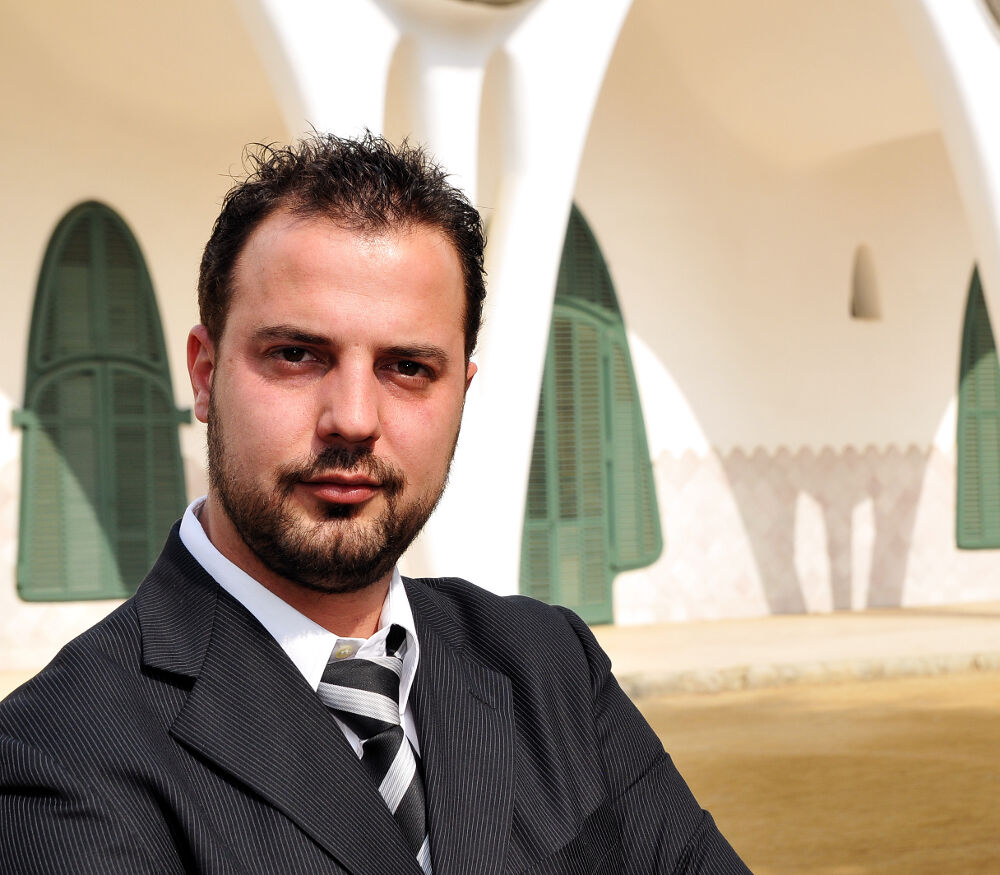 Otger Espinet coordinates the work and any specialist input the project needs.
Choosing languages and planning the work in phases
Language choices follow the audience, the commercial priorities and the team’s capacity to maintain the website. We also take account of any language requirements relevant to the project.
For customers in Catalonia, we assess the role of Catalan and Spanish within the project. English can connect a business with international buyers, distributors and head offices. For French-language versions, we assess the specific country and audience, whether in Europe, North America or Africa.
A first phase can focus on the pages that support a particular product range or market. Further content and languages can be added as the business develops.
We plan the structure and update process from the start so each version can be maintained as it grows.
Languages by audience
In phases
日本市場
Japan
Experience adapting websites for Japan
We have experience with projects aimed at Japan, with native Japanese support for translation, linguistic review and cultural adaptation.
For a Japanese version, the work can include reviewing company information, product specifications, terminology, formality and the presentation of contact forms. The sector, product and intended audience determine what needs adapting.
A translated page
A page adapted for the Japanese market
Frequently asked questions
Does localisation require a new website?
An existing website can often be adapted. We first review the platform, its language tools and the requirements of the project. The work may involve adding pages, improving an existing version or developing a separate local website.
When should a website include Catalan?
We assess how your customers, distributors and local teams search, which languages they use and what information they need. For industrial and B2B businesses serving Catalonia, this can include product information, technical documentation and enquiries in Catalan. We then agree which pages and user journeys each language version should cover.
Does every page need to exist in every language?
Each version should contain what its audience needs. A market may initially require a selected set of product, company and contact pages. We plan that scope and how visitors will move through the available content.
Is automatic translation enough?
It can help prepare a draft. Terminology, accuracy, tone and consistency still need review, especially in technical or commercial content. Search research, page structure and the way enquiries are handled also need attention.
How is existing SEO handled when languages are added?
We review the important pages, URLs and existing visibility before planning changes. Language relationships, internal links and any required redirects are checked as part of the implementation. This work connects with our SEO and web development services.
Let’s talk about your international project
Whether you need a local version for a subsidiary, support alongside your agency or a website prepared for another market, tell us about the current setup and the people involved.
We’ll discuss the languages, the content you already have and the work that needs prioritising. We then agree the scope of any review, research or implementation.